Your dog is talking. Are you listening?

Quiz #2 Answers

Here's the full answer key for Dog Body Language Quiz 2, so you can check your answers.

12 questions | 19 points
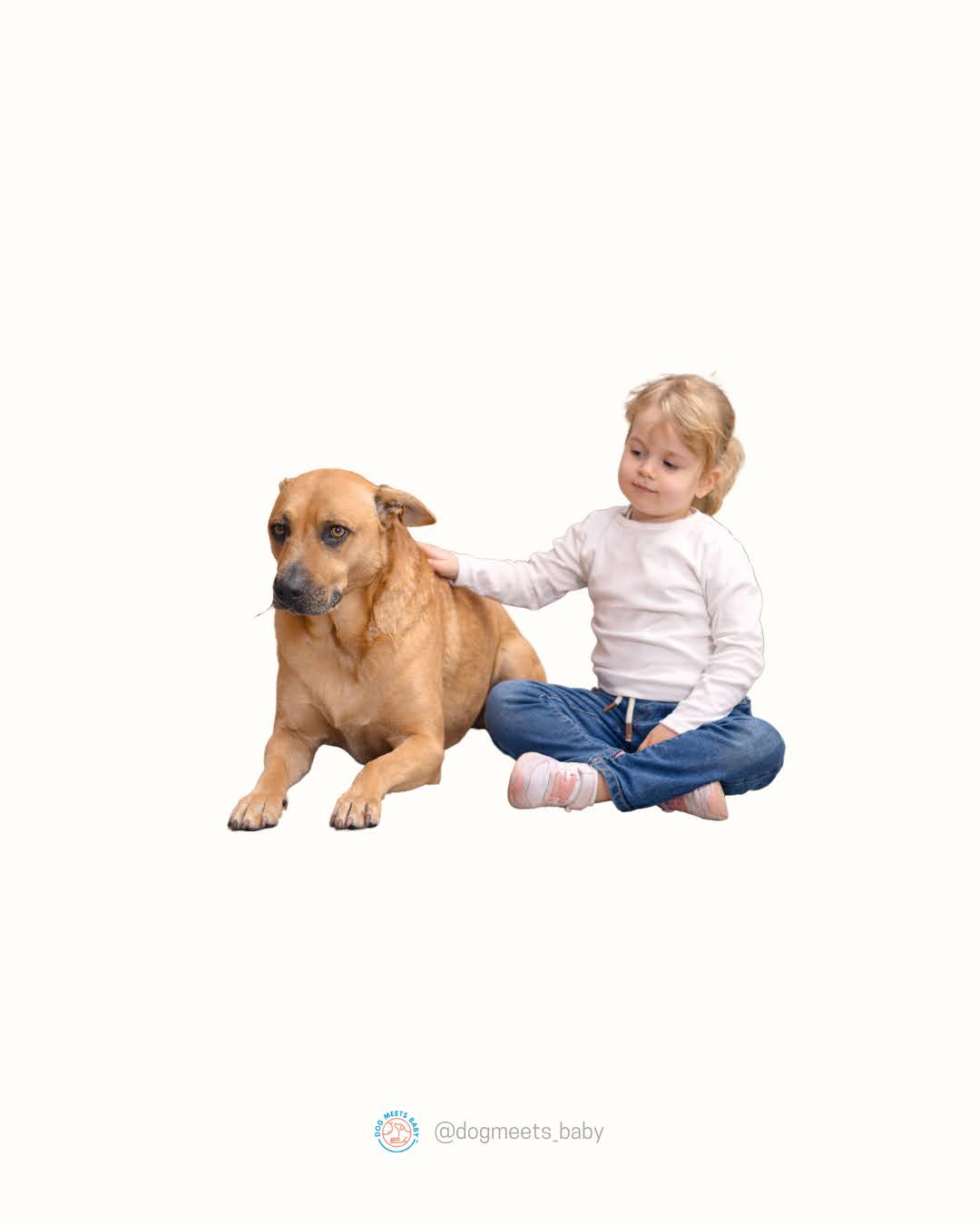
A preschooler sits cross-legged and rests a hand on a lying tan dog, whose ears are pinned back and mouth tightly closed.
Question 01
2 points

What do you see? Select all that apply.

  • Ears pinned back
  • Body is cowering
  • Whale eye
  • Tightly closed mouth
Question 02
2 points

Roma licks the baby twice, before the baby touches her paw and after. What kind of licks are these? Select all that apply.

  • Affection licks first, ‘stay away from me’ licks next
  • Both are affection licks
  • First licks are soft licks. Licks after the baby touches the paw are pushy.
  • Both licks are dismissive
Watch the switch

Same dog, same baby, two different messages. Before the baby touches her paw, Roma's licks are soft. Once her paw is touched, the licks turn pushy. That's Roma saying “stay away from me.”
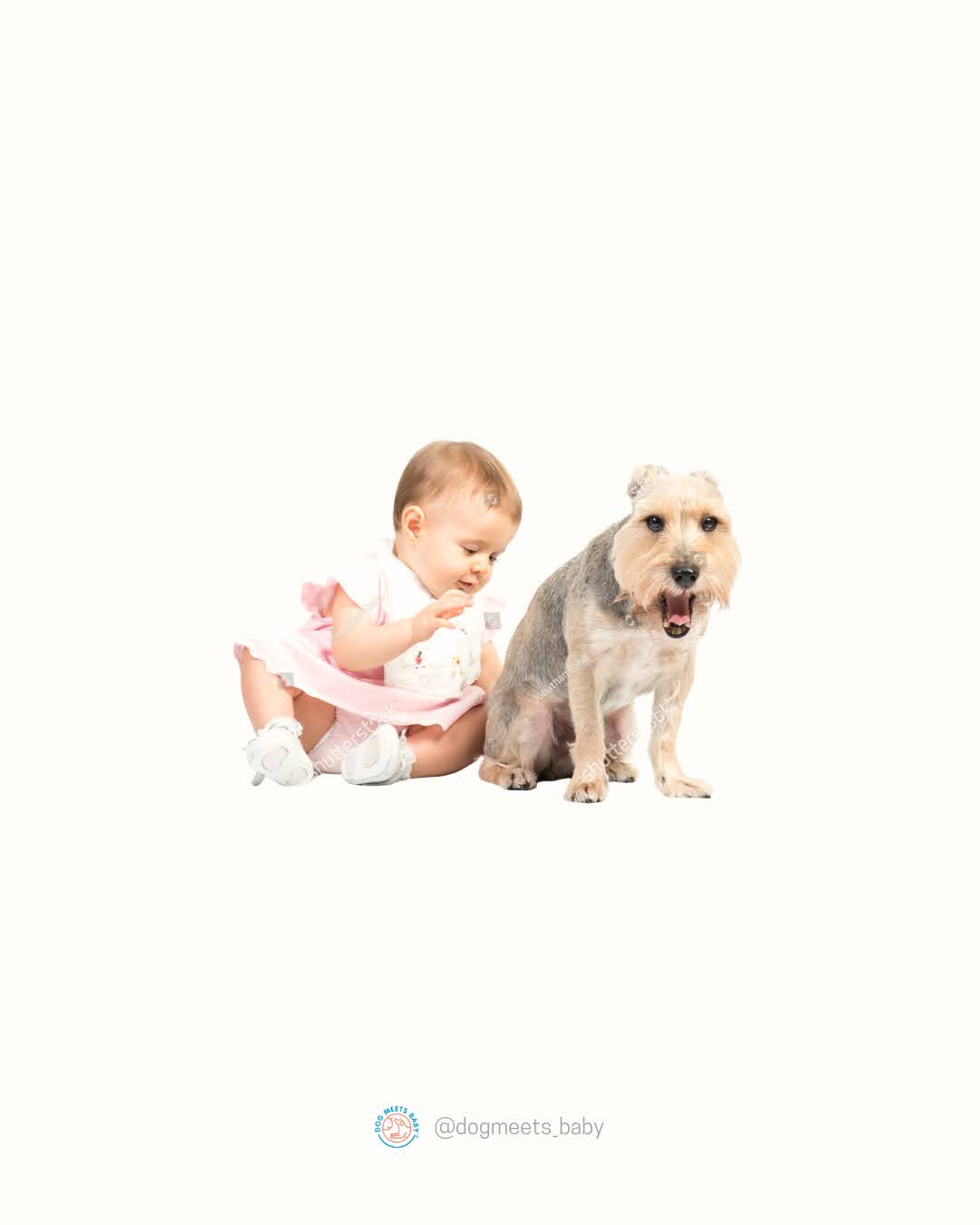
A seated baby leans toward a sitting schnauzer mix that yawns with its ears back.
Question 03
2 points

How can you tell the dog is not comfortable with the baby being so close? Select all that apply.

  • Back legs are way back
  • Ears back
  • Yawn
  • Sit instead of a down
Question 04
2 points

What does Lily's behavior mean? Select all that apply.

  • She licks and play bows at the baby to invite the baby to play with her
  • She is conflicted and a bit unsure. These are appeasement licks.
  • These are doggie kisses. She is so happy the baby is playing with her!
  • Lily keeps her weight shifted back, ready to move away at a moment's notice.
What's happening

Lily is unsure about the baby's new mobility. Her licks are appeasement licks, a way of saying “I mean no harm.” Her play bow may look like an invitation to play, but overall, Lily is conflicted. The baby doesn't respond to the playbow the way a dog would, so in the end, Lily grabs a toy and runs away.
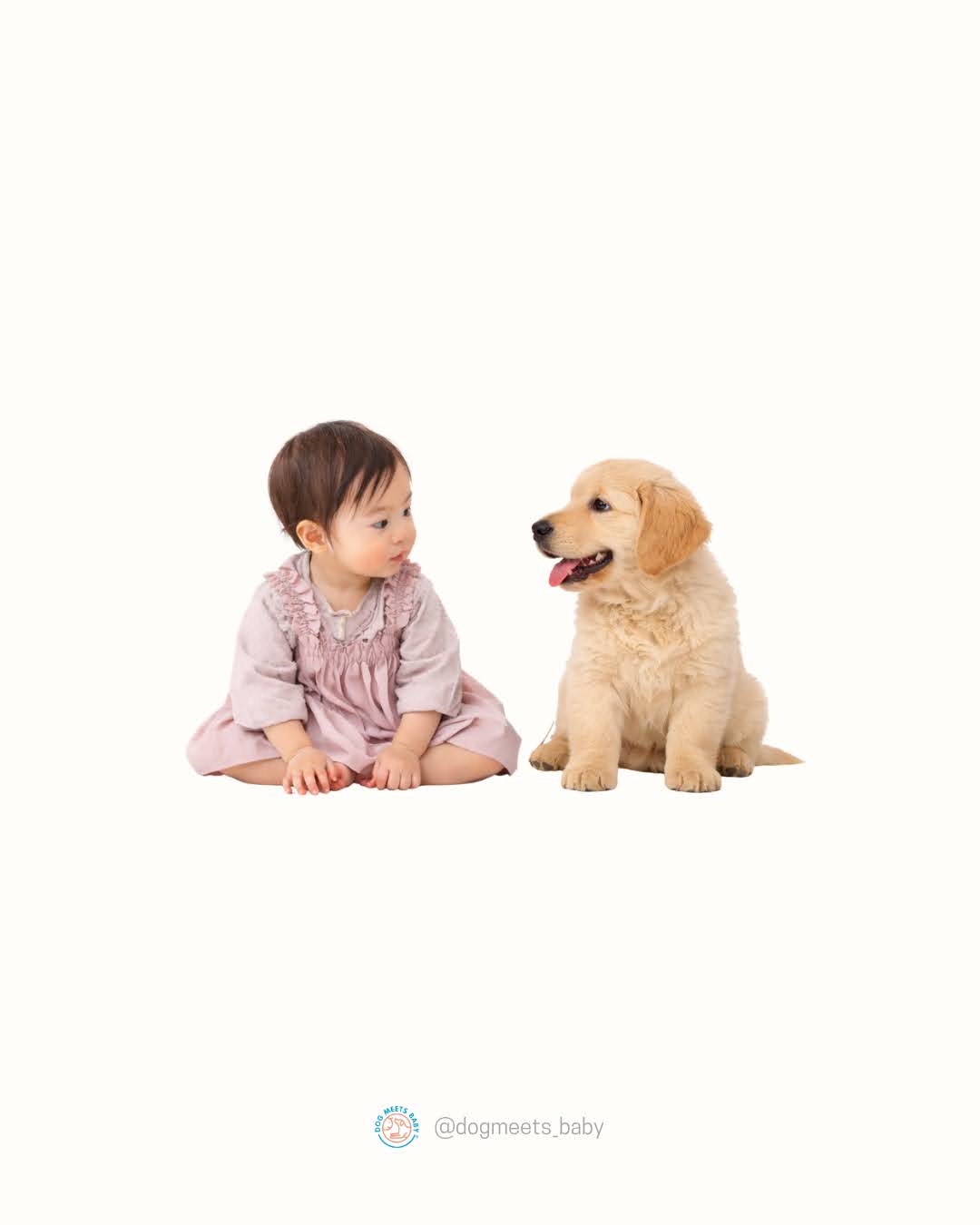
A golden retriever puppy sits beside a baby with a smooth forehead and a loose, relaxed tongue.
Question 05
3 points

How can you tell this puppy is relaxed? Select all that apply.

  • Smooth forehead
  • Relaxed tongue
  • Top teeth showing
  • Relaxed sit
Question 06
1 point

Charlie runs up to the baby to…

  • Give the baby doggie kisses
  • Invite the baby to roll together
  • Calm the baby down (or calm himself down)
  • Show his affection
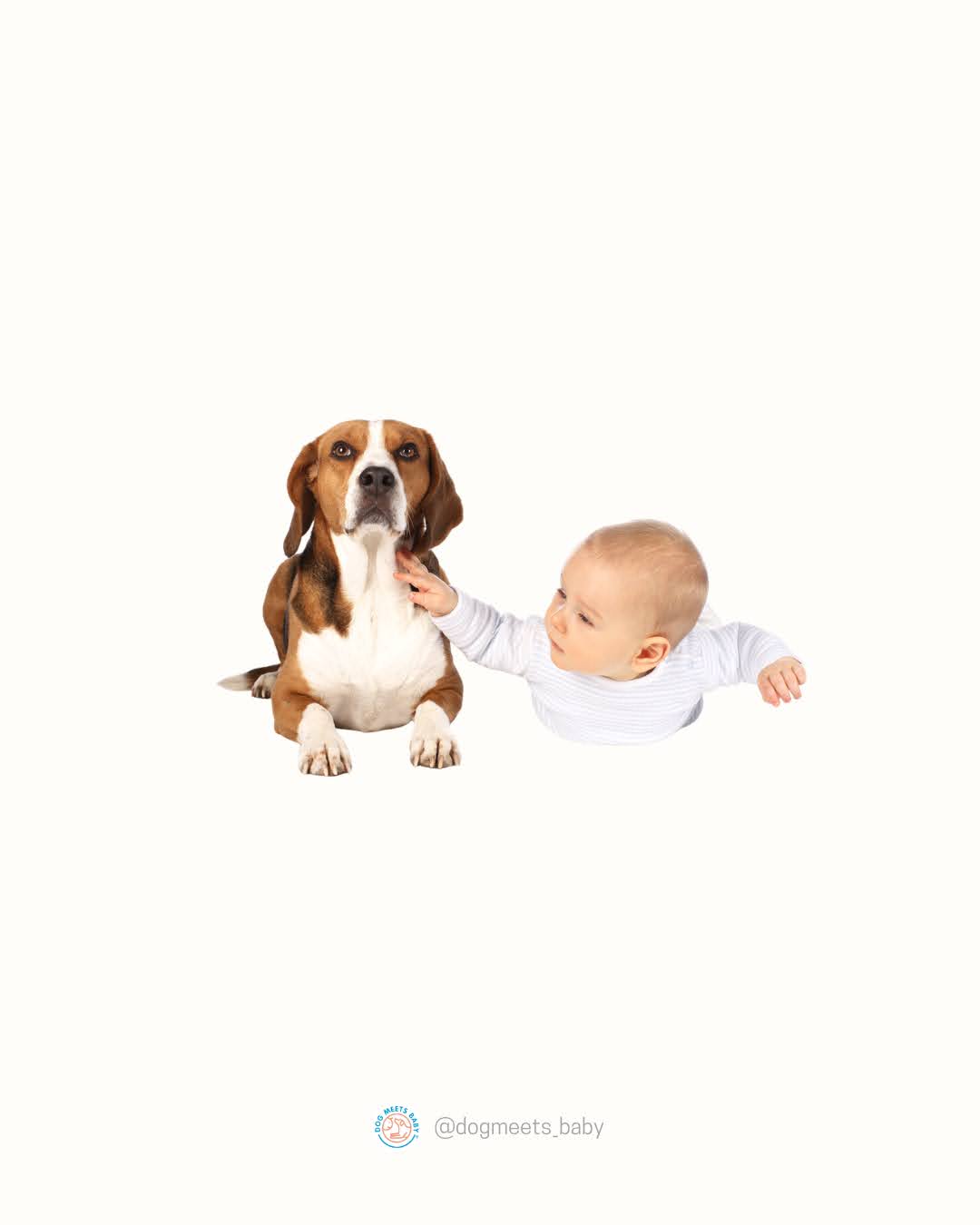
A baby on its tummy reaches up to touch the chest of a beagle lying stiffly and looking straight ahead.
Question 07
1 point

How would you describe the dog's eyes?

  • Whale eye
  • Squinting eyes
  • Soft eyes
  • None of the above
Whale eye vs squinting

With whale eye, the dog’s head points one way while the eyes look the other, so you can see the whites of the eyes. The pupils are often dilated too, but the whites showing is what makes it whale eye. Squinting eyes, often with the dog avoiding direct eye contact, are a sign of discomfort when someone or something is too close or too much.

Q10 video coming soon
Question 08
1 point

The baby is cruising along the furniture. The dog wags their tail and lies down. What is the dog really telling us?

  • The dog is very comfortable and relaxed in the baby's presence
  • The dog is showing subtle signs of stress, like a whale eye and a furrowed brow
  • The dog is waiting for the baby to plop next to them and cuddle
  • The dog is cheering the baby on
Commonly missed

A wagging tail and a dog lying down can look relaxed. Look at the face and the body instead. The whale eye, the lip lick, and the furrowed brow show this dog is uneasy while the baby is on the move. Just because a dog doesn't walk away doesn't mean they're comfortable.
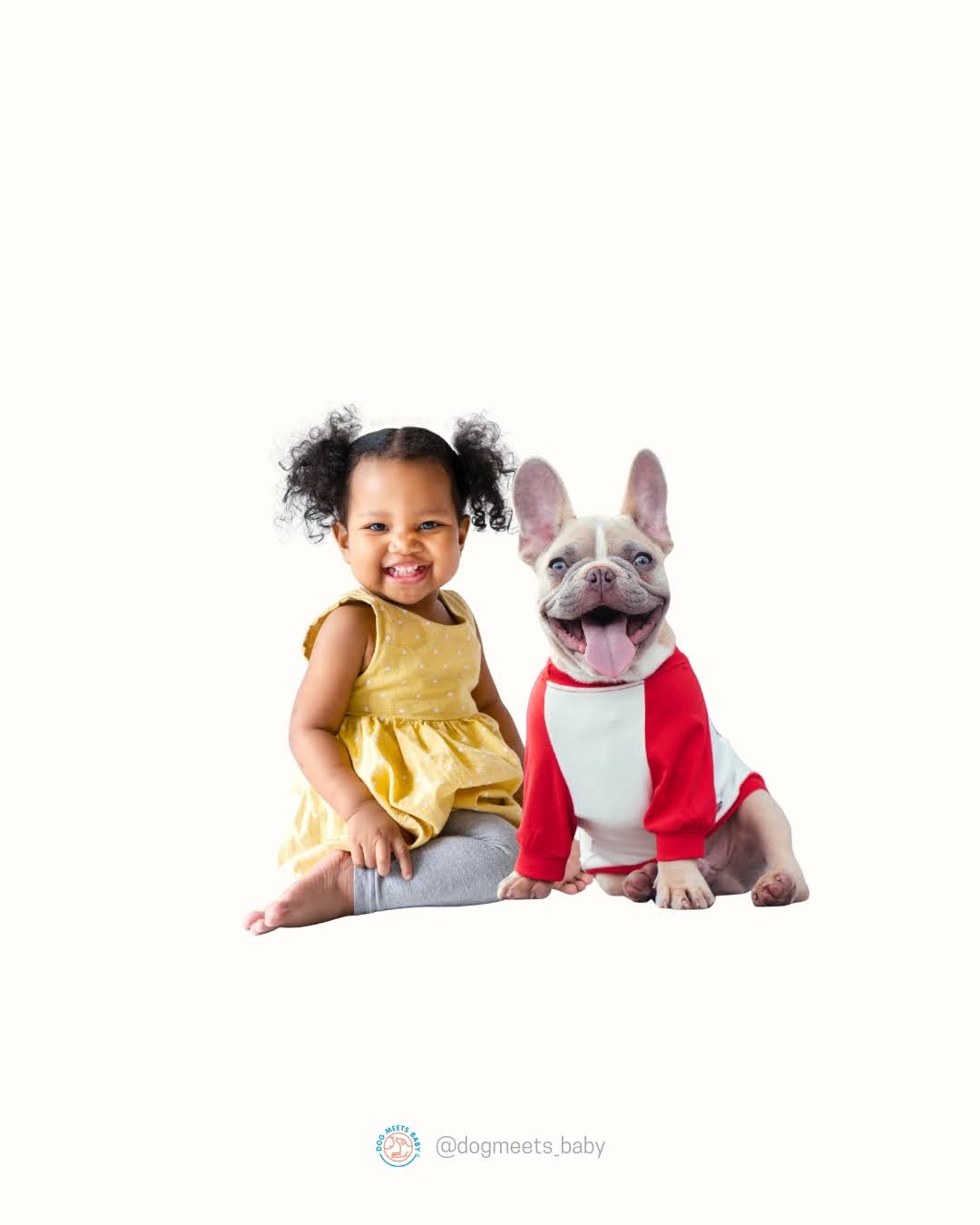
A laughing toddler sits close to a French bulldog in a sweater, whose body is relaxed and eyes are soft.
Question 09
2 points

How can you tell the dog is comfortable with the baby being so close? Select all that apply.

  • Soft eyes (no direct eye contact)
  • Hard stare
  • Relaxed body
  • Lips pushed forward
Lips pushed forward

When a dog tightens their lips and pushes them forward, it’s a warning. It often comes with a hard stare and a stiff body.
Q11 video coming soon
Question 10
1 point

What do you notice about this dog?

  • Feels comfortable next to the baby
  • Wants to kiss the baby secretly, but it upsets the mom
  • The nose/lip licks are a sign of stress
  • Is very neutral
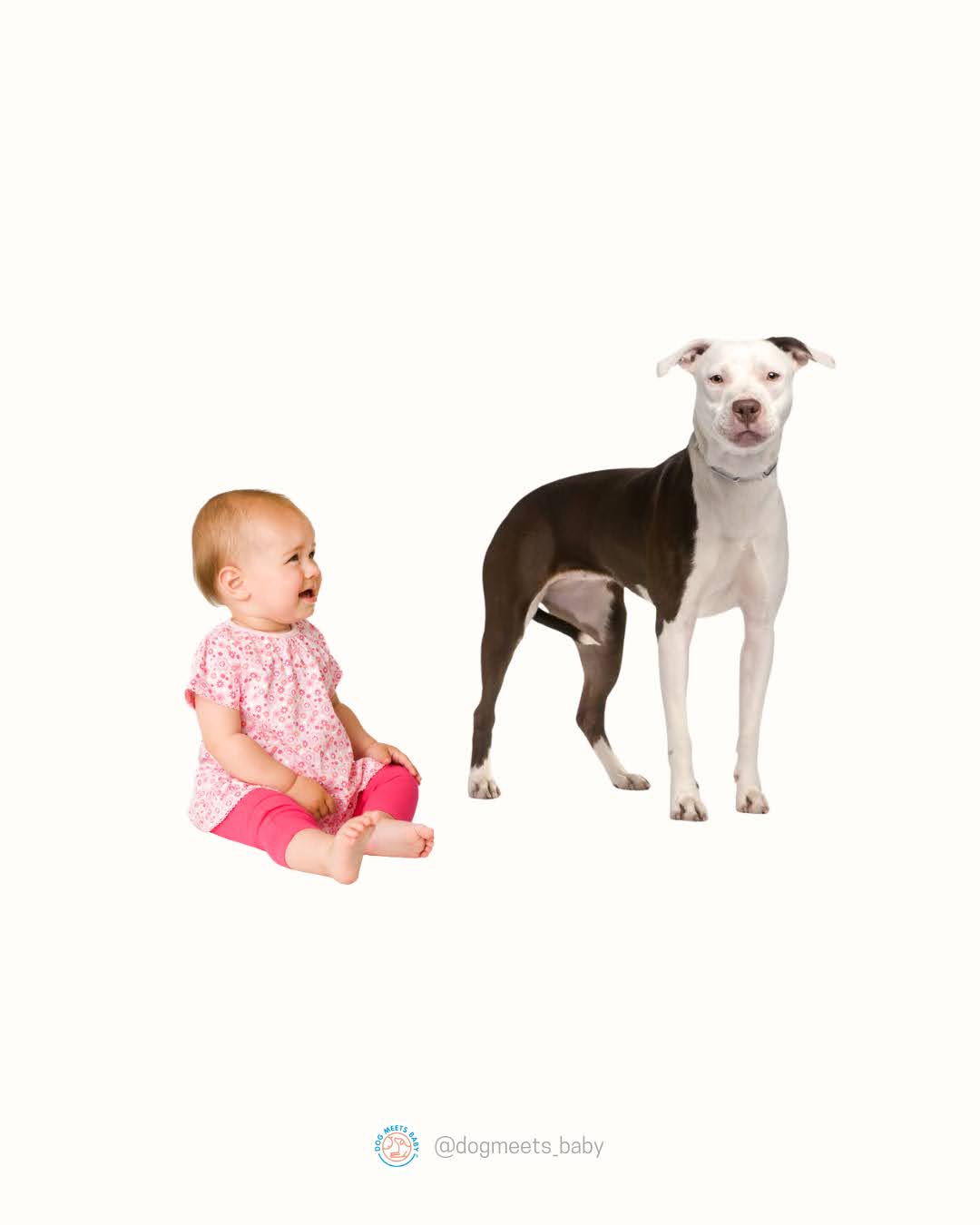
A crying baby sits on the floor near a standing dog whose tail is tucked under its body.
Question 11
1 point

This dog's tail is tucked under. Looking at the tail, the whole body, and the proximity of the crying baby, what might the dog be feeling?

  • Unsure
  • Scared
  • Anxious
  • All of the above
Scoring quirk

All three are true, so you'll only get a point for “All of the above.” Picking just one of the signals misses it.

Question 12
1 point

How would you describe the dog's behavior?

  • Stressed and worried
  • Curious, investigative, some drive-by licks
  • Ready for fight or flight
  • Feeling trusting and playful
If you want the reasoning behind every one of these

Seeing the signal is the easy half.

The Dog Body Language Course walks through 30 real videos of dogs and babies. Dominika analyzes each interaction and shows you what to actually do about it.

Use QUIZ10 for 10% off